Immortal, Invisible
Scripture references: Ecclesiastes 4:1-3, 8:16-17, 12:13, Job 38:1-3, 42:1-5, Romans 8:18
Introduction:
“Immortal, invisible, God only wise,
in light inaccessible hid from our eyes,
most blessed, most glorious, the Ancient of Days,
almighty, victorious, thy great name we praise.”
This line from the hymn: ‘Immortal, Invisible’ is one that caught my attention this week. It’s hard to look at the world around us and not see tragedy, devastation, evil and injustice. When we see these things, we naturally start to hear familiar questions start to surface: ‘How can a good God allow these things to happen?’. I must admit, I often feel inadequate when these questions come up. What do you say to someone who is experiencing grief that is so unimaginable? Do you even say anything?
In my personal devotions over the past several months, I had made my way through Psalms and the wisdom literature of Job, Proverbs and Ecclesiastes. There is an interesting theme that I’ve noticed throughout all these books…and that is this: The authors ask a lot of HARD questions. They are the same questions that all humanity seems to ask when we see tragedy, evil and injustice. As I read through these books, I found a bit of comfort in this one thought…’There are virtually no hard questions we can ask about God that the Bible hasn’t already asked’.
Let’s look at an example…
Devotional:
In the book of Ecclesiastes, we hear from a figure referred to in Hebrew as ‘Qoheleth’. This title appears to carry many roles (Teacher, Preacher, Convener or Wisdom collector to name a few)1. Traditionally thought to be Solomon, this figure is presented as the supreme example of human wisdom. Throughout Ecclesiastes, Qoheleth is on a thought journey where he is observing and meditating on what he sees around him…and what we see is that there are a lot of things that just don’t sit right with him. The world does not seem to be as it should be.
The common refrain in the book is that everything is ‘vanity’. The Hebrew word translated as vanity (or ‘meaningless’ in some translations) is ‘Hebel’, which also carries a host of meanings, but most literally translates to something like ‘Vapor, breath or smoke’.2 In short, these are things that the wisest man on earth just simply cannot grasp. This also highlights the temporary nature of things in life…both good and bad. We see a profound example where Qoheleth is wrestling with these issues in chapter 4…
“Again I saw all the oppressions that are done under the sun. And behold, the tears of the oppressed, and they had no one to comfort them! On the side of their oppressors there was power, and there was no one to comfort them. 2 And I thought the dead who are already dead more fortunate than the living who are still alive. 3 But better than both is he who has not yet been and has not seen the evil deeds that are done under the sun.” – Ecclesiastes 4:1-3 ESV
How relatable is this? This figure who is the supreme example of human wisdom is wrestling with the same questions and the same unsettling realities that we wrestle with today! How many times have you heard someone say something that sounds like the verse above when tragedy strikes?
What is even more fascinating, is that these words are preserved in our God-breathed Scriptures. What does this tell us? For one, it tells us that God is not afraid to put these issues out there for us to read and consider. This, in and of itself, is comforting. The Bible is not at all trying to hide the hard realities we experience in life. This is the journey that Qoheleth is on throughout the book of Ecclesiastes…trying to find meaning…a resolution to these problems. We see similar thoughts in the Psalms and in Job. There are no shortage of passages in the Bible’s wisdom literature which address the problem of human suffering.
All this begs the question…What conclusion (or multiple conclusions) does Qoheleth come to? Well, we see one key thought in chapter 8…
“When I applied my heart to know wisdom, and to see the business that is done on earth, how neither day nor night do one’s eyes see sleep, 17 then I saw all the work of God, that man cannot find out the work that is done under the sun. However much man may toil in seeking, he will not find it out. Even though a wise man claims to know, he cannot find it out.” -Ecclesiastes 8:16-17 ESV
Translation…we can seek wisdom and understanding all our life. We can toil and run ourselves into the ground trying to understand the ‘why’ behind everything bad that happens…but we will never achieve the wisdom that God embodies. We tend to be very short-sighted when it comes to these questions and cannot see things from God’s eternal perspective. He sees the big picture and how all things are working in accordance with His sovereign plan. This recalls the words of Job who is often our prototypical image of suffering. Job wants his ‘day in court’ with God, who leads off His speeches to Job with:
“Then the Lord answered Job out of the whirlwind and said:
2 “Who is this that darkens counsel by words without knowledge?
3 Dress for action[a] like a man;
I will question you, and you make it known to me.” -Job 38:1-3 ESV
God proceeds to demonstrate Job’s limited wisdom and knowledge by comparing it to the wisdom of God. Job’s response after several chapters of questioning…
Then Job answered the Lord and said:
2 “I know that you can do all things,
and that no purpose of yours can be thwarted.
3 ‘Who is this that hides counsel without knowledge?’
Therefore I have uttered what I did not understand,
things too wonderful for me, which I did not know.
4 ‘Hear, and I will speak;
I will question you, and you make it known to me.’
5 I had heard of you by the hearing of the ear,
but now my eye sees you; – Job 42:1-5 ESV
Job finally realizes that he wasn’t seeing the big picture. God graciously restores Job and vindicates him. The Faithlife Study Bible commentary makes a great point when comparing the words of Qoheleth in Ecclesiastes 8 to the situation in Job:
“The author (of Ecclesiastes) is presented as the supreme example of wisdom (1:16; 12:9). If he cannot understand God’s work, no one can. No matter the effort, human wisdom is limited (12:12). Those who claim to understand it, may be like Job’s friends who incorrectly offered reasons for Job’s suffering (Job 4-42).”3
Ecclesiastes concludes by giving us some wise advice to take with us…
“The end of the matter; all has been heard. Fear God and keep his commandments, for this is the whole duty of man.[c] 14 For God will bring every deed into judgment, with[d] every secret thing, whether good or evil.” -Ecclesiastes 12:13 ESV
In other words, focus on obeying God. We cannot understand the infinite knowledge and wisdom of God and we cannot presume to know all the reasons as to why God allows suffering. We don’t know every minute detail of his sovereign plan and ‘why’ things happen.
We are called to simply trust Him. Trust that he knows what He is doing and that ‘God will bring every deed into judgement, with every secret thing, whether good or evil’. We can rest in this promise.
This life under the sun is ‘Hebel’ (Smoke, Vapor) …But when we place our trust and belief in Jesus Christ…we now have the hope of eternal rest which will far outshine the darkest of times we experience in this life…
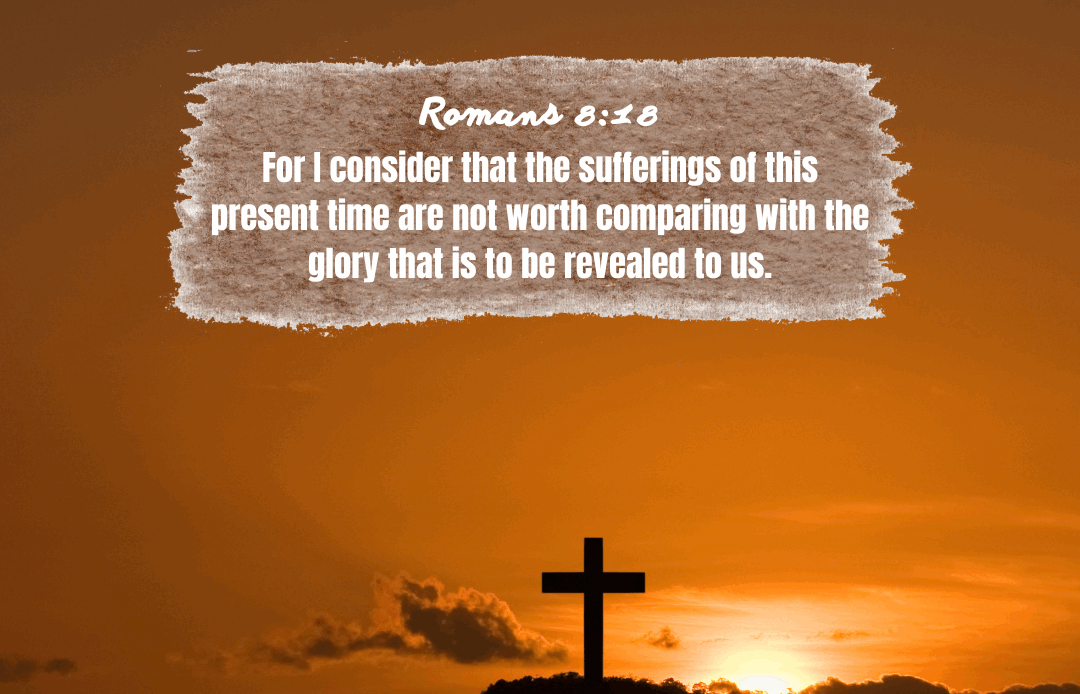
For I consider that the sufferings of this present time are not worth comparing with the glory that is to be revealed to us. -Romans 8:18 ESV
“Immortal, invisible, God only wise,
in light inaccessible hid from our eyes,
most blessed, most glorious, the Ancient of Days,
almighty, victorious, thy great name we praise.”
Amen.
Sean Wagner
- Strong’s Concordance, H6953, “Qoheleth” ↩︎
- Strong’s Concordance, H1892, “Hebel” ↩︎
- Barry, John D., Douglas Mangum, Derek R. Brown, Michael S. Heiser, Miles Custis, Elliot Ritzema, Matthew M. Whitehead, Michael R. Grigoni, and David Bomar. 2012, 2016. Faithlife Study Bible. Bellingham, WA: Lexham Press. ↩︎